Wilson Hall Maker Studio
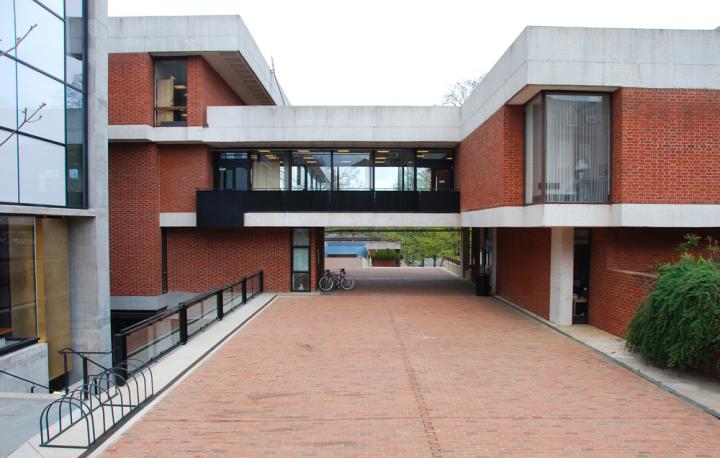
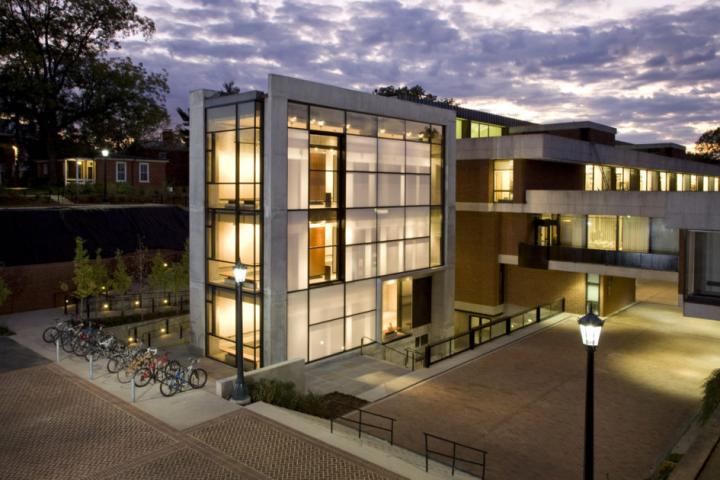
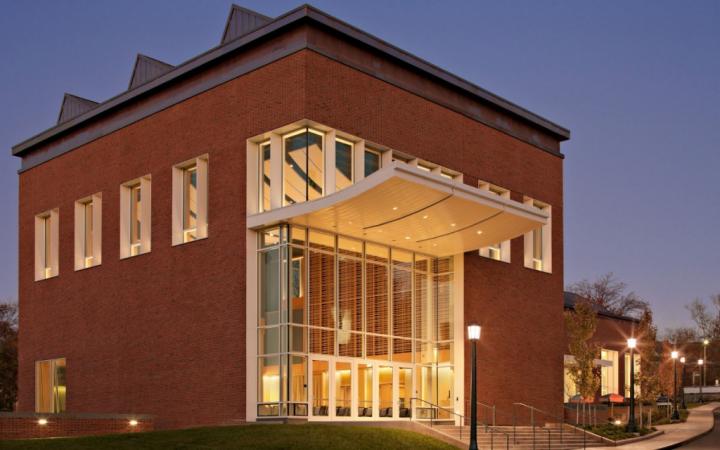
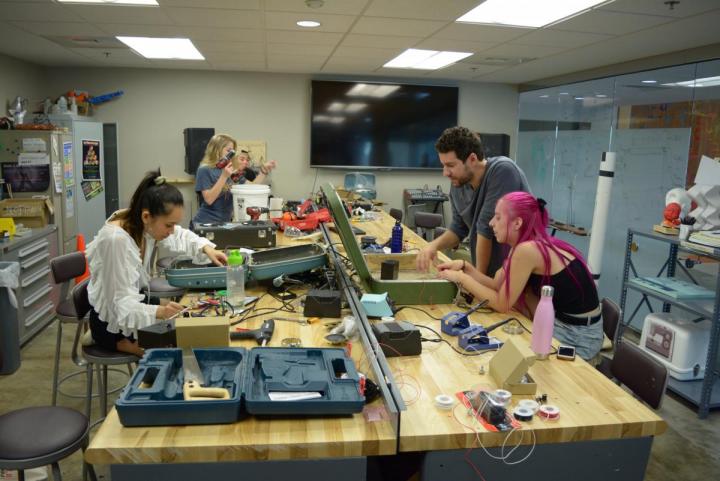
The Wilson Hall Maker Studio is an interdisciplinary maker space run by the Learning Design and Technology group and is utilized by multiple music classes including the Designing New Musical Instruments class.
The Wilson Hall Maker Studio is an interdisciplinary maker space run by the Learning Design and Technology group and is utilized by multiple music classes including the Designing New Musical Instruments class.
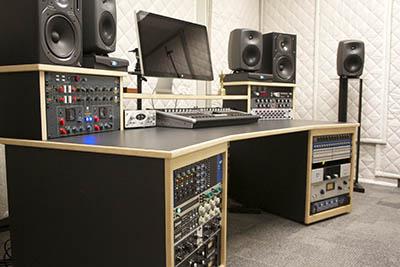
The CCT Jefferson Starship Recording Studio is equipped with a fantastic array of high end outboard pre-amps, compressors, and other processors with a maxed out Mac Pro at its heart. Monitoring duties are handled by an 8.1-channel Genelec monitoring system as well as a pair of Dynaudio BM15s.
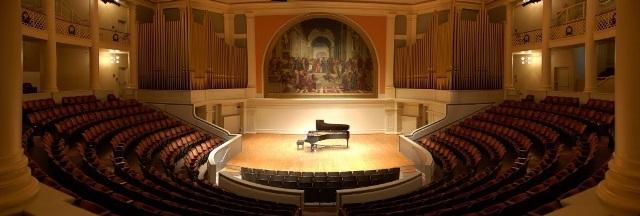
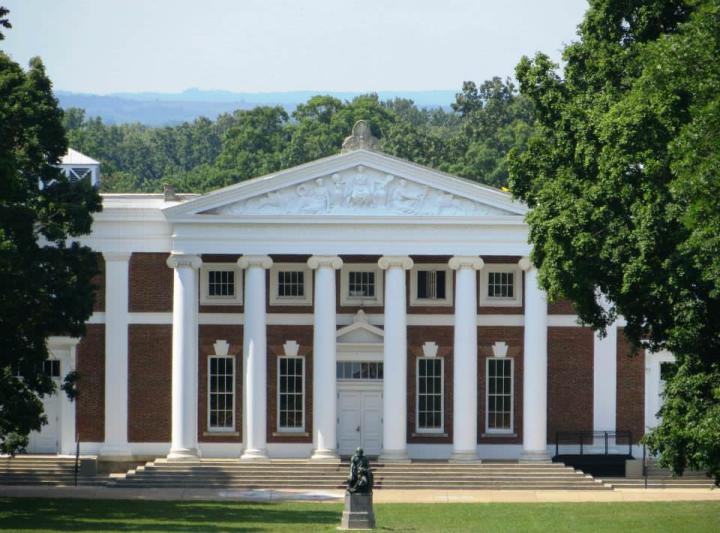
The Old Cabell Hall auditorium has a seating capacity of 851 and hosts more than 200 public performances and events each year.
The Fiske Kimball Fine Arts Library provides research support and collections for the Schools of Architecture, Art History, Archeology, and the Classics Department. We offer research and software consultation, image scanning, and spaces for quiet study, collaboration, meetings, and video conferencing.
Campbell Hall serves as the School of Architecture's central facility. It houses studio space; classrooms and seminar rooms; lecture halls; review spaces; galleries and exhibition spaces; fabrication labs; digital design labs; printing rooms; student lounges; faculty and administrative offices; the A+A supply store; and outdoor classrooms.
Two levels of rehearsal halls, practice rooms, instrument and uniform storage, and offices make up this bright, streamlined building that hosts the Cavalier Marching Band, as well as the basketball band, the Olympic sports ensemble, the wind ensemble and the concert band.
Originally known as the Academical Building, Old Cabell Hall is one of three buildings designed for the south end of the Lawn in 1898 by Stanford White. The Academical Building was renamed for Joseph C. Cabell, a member of the Board of Visitors, and houses the University’s Department of Music and the Music Library.
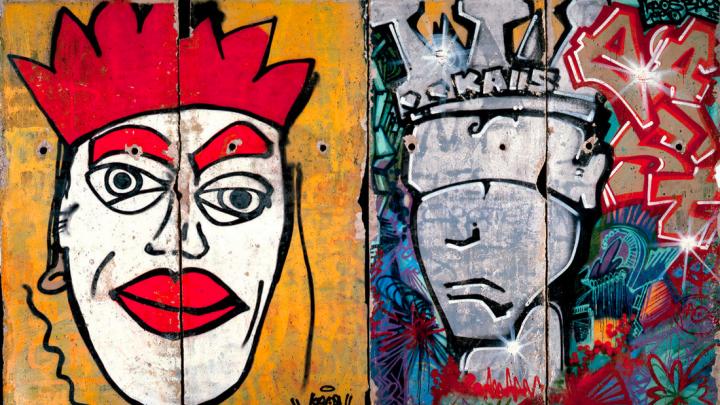
The Berlin Wall has officially been gone as long as it existed. The wall, built in 1961 to divide the former and future German capital between its Western-controlled sectors and Communist East Germany, stood for 29 years. This year will mark the 29th anniversary of its toppling.
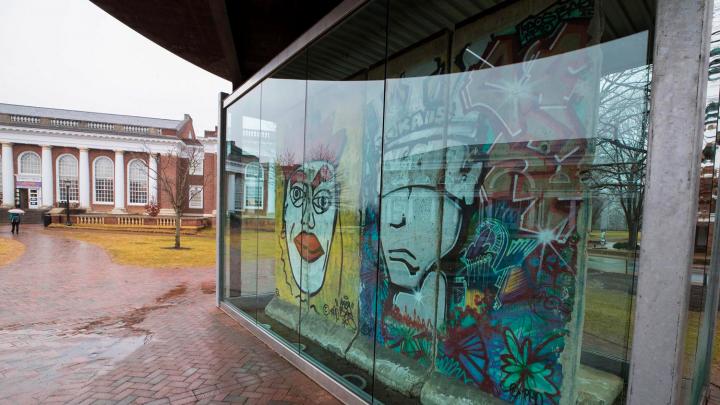
The Berlin Wall at UVA was made possible by Robert & MeiLi Hefner & the Hefner Collection. Four panels of the Berlin Wall, measuring a total of 16 feet in length and 12 feet in height and weighing more than 8,000 pounds, were installed on the quad adjacent to Alderman Library and the Albert and Shirley Small Special Collections Library.
Mark Dion does not believe in untouchable art. His work welcomes curious observers, from small pieces hidden behind ornate doors to scrapbooks ready for perusal to huge spaces full of cabinets, drawers, and even live birds.