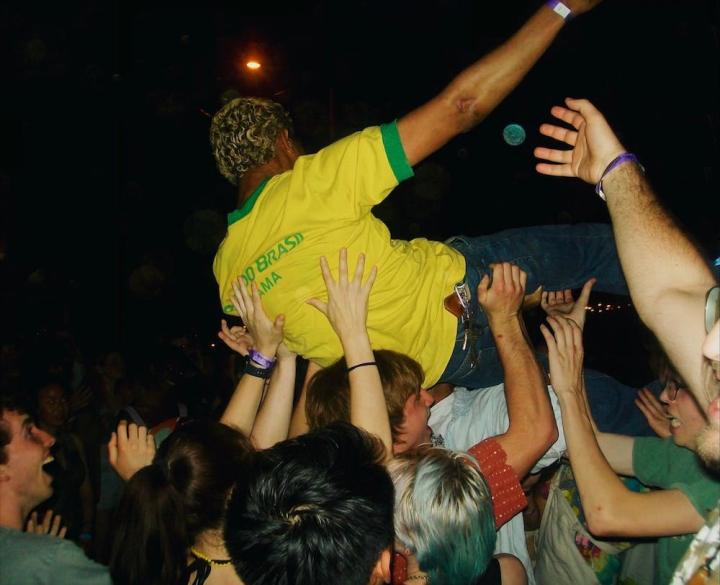
The Rap Lab is the Space for Aspiring Rappers
Funded by U.Va. Arts, the Rap Lab at U.Va. is a collaborative hip-hop space where all are welcome.
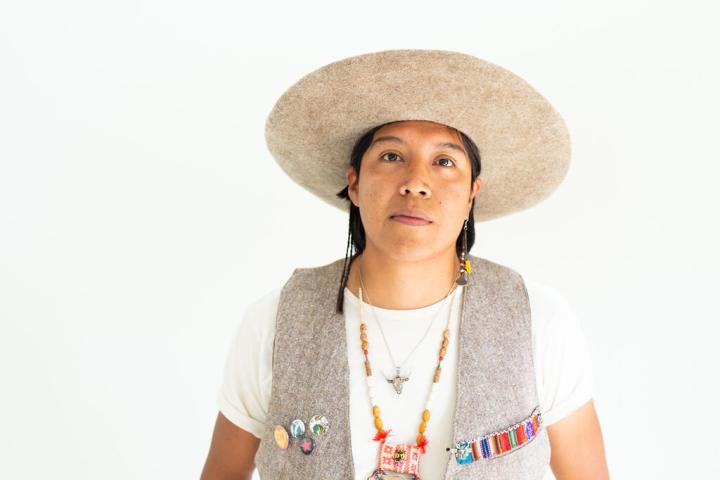
The Kluge-Ruhe Aboriginal Art Collection hosted an audience in Campbell Hall Friday night for a lecture from Dr. Louise Hamby, an American research fellow in the School of Archaeology and Anthropology at the Australian National University in Canberra, Australia.
Spooky, scary images send shivers down your spine at The Great Rotumpkin.
Remixing, riffing, playing with memes: These are artistic modes that we sometimes think of as belonging to our own time, but artmaking has involved self-conscious imitation for a lot longer, and in a lot more places—including several hundred years ago in Asia, as revealed in “Earthly Exemplars,” a small exhibition of Buddhist art now showing at The Fralin Museum of Art at UVA.
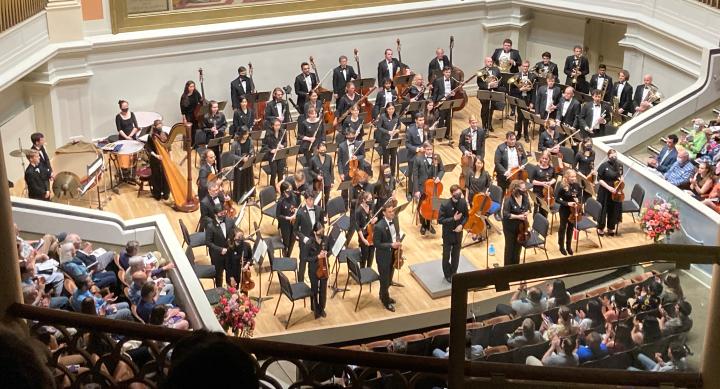
In Sonic Spheres, the opening show of the Charlottesville Symphony’s 48th season, eight orchestra members will trade their French horns for harmonicas to imitate what celestial vibrations might sound like for a performance of “Sinfonia (for Orbiting Spheres).”
Two years after defying the odds and delivering twin girls at the University of Virginia Medical Center, a quadriplegic woman from Culpeper is sharing her story on the big screen at the Virginia Film Festival next month.
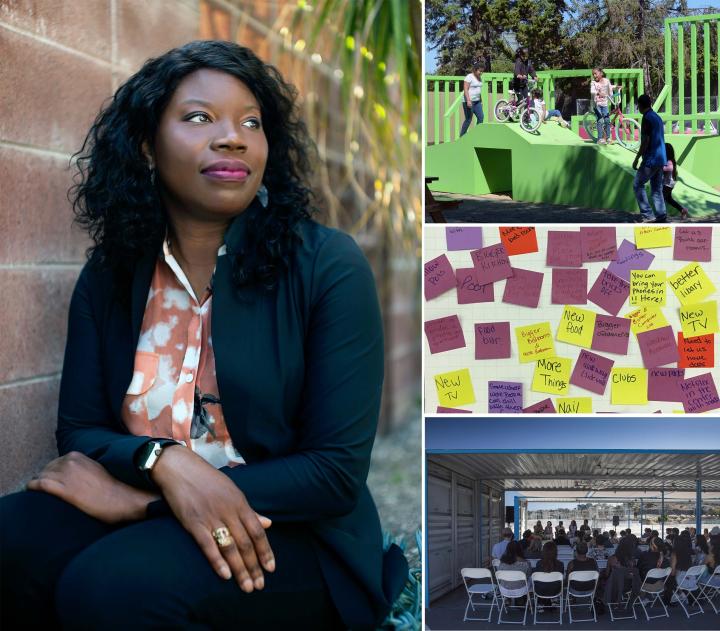
Virginia Humanities announced that Kalela Williams is serving as the new Director of the Virginia Center for the Book. The Virginia Center for the Book, an affiliate of the Center for the Book in the Library of Congress, works across the Commonwealth to unite communities of readers, writers, artists, and book lovers. It is the home of the Virginia Festival of the Book, which happens every year in March, as well as a book arts studio located in Charlottesville’s Jefferson School City Center.
Three hand-crafted decoy ducks have been returned to the First Nations people of the River Murray after spending many years in the United States. The ducks are typical of decoys traditionally used for hunting by Aboriginal people living along the river in South Australia. Research from the Australian Institute of Aboriginal and Torres Strait Islander Studies (AIATSIS) has found the ducks were created by Nganguruku and Ngarkat man Robert Joseph Tarby Mason in the 1940s.